Top Compliance Mistakes Nonprofits Make and How to Avoid Them
MN
Understanding Compliance in Nonprofits
Nonprofits operate under a unique set of rules and regulations designed to ensure transparency and accountability. However, many organizations can find themselves in trouble due to common compliance mistakes. Understanding these pitfalls is crucial for maintaining trust and fulfilling your mission effectively.
Compliance not only involves legal obligations but also ethical considerations. It's about adhering to the laws that govern donations, taxes, and employment within the nonprofit sector. Here, we explore the most frequent compliance errors and how to avoid them.

Failing to File Annual Returns
One of the most common mistakes is neglecting to file annual returns, such as the IRS Form 990. This form provides essential information about your organization's mission, programs, and finances. Failing to submit it on time can lead to penalties and even the loss of tax-exempt status.
To avoid this, create a compliance calendar that includes filing deadlines. Assign a team member to oversee the process and ensure all financial documents are prepared in advance. Regular audits can also help keep financial records in check.
Improper Handling of Donations
Nonprofits often face challenges in managing donations, especially when it comes to restricted funds. Using these funds incorrectly can result in serious compliance issues and damage donor trust.
Ensure that all staff members understand the difference between restricted and unrestricted funds. Implement a robust tracking system to monitor how donations are allocated and used. Regular training sessions can help keep everyone informed about compliance requirements.

Neglecting Employment Laws
Nonprofits must comply with employment laws just like any other organization. This includes adhering to minimum wage laws, providing appropriate benefits, and ensuring a safe working environment. Failure to comply can lead to lawsuits and financial penalties.
Stay updated with changes in employment legislation and ensure your policies are in line with current laws. Conduct regular training sessions for HR personnel and provide resources for staff to understand their rights and responsibilities.
Overlooking Data Privacy Regulations
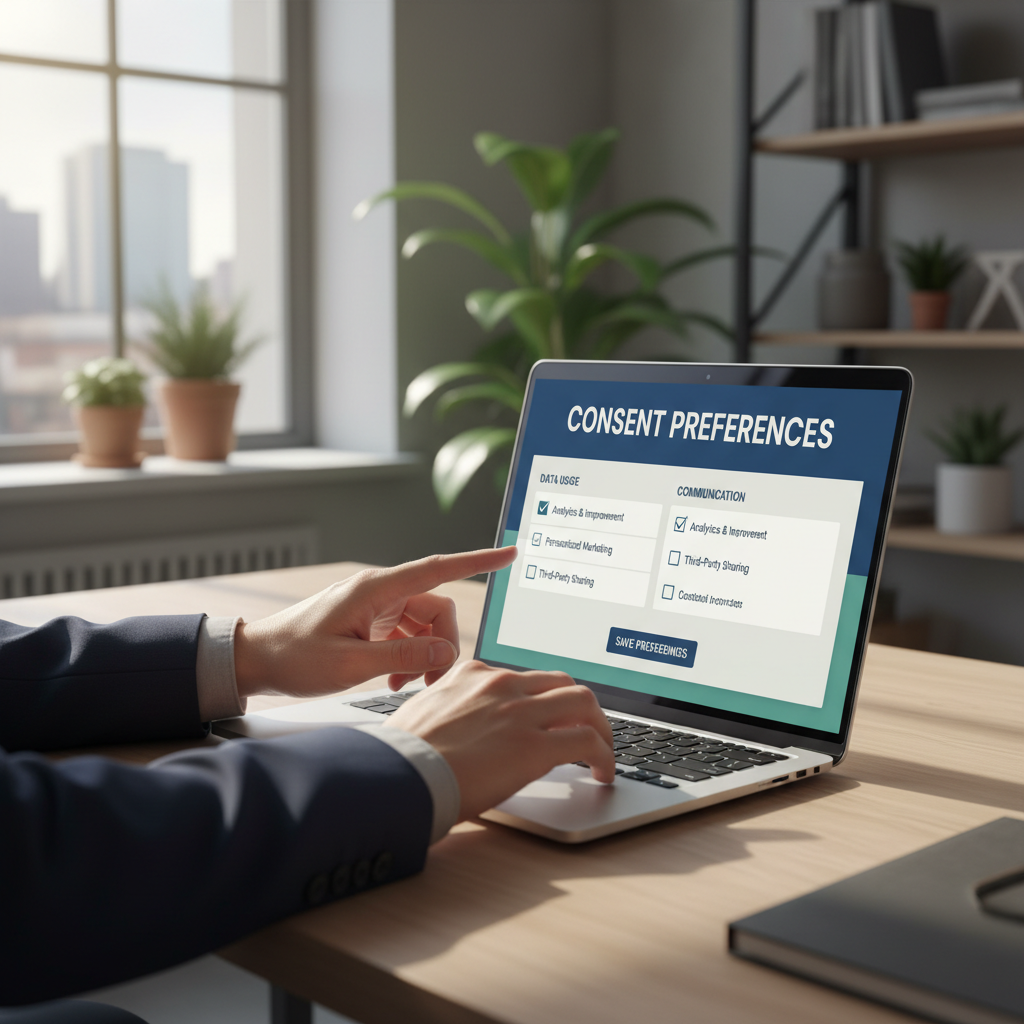
With the rise of digital data collection, nonprofits must ensure compliance with privacy regulations such as GDPR or CCPA. Mishandling personal information can lead to legal action and loss of donor trust.
Implement a comprehensive data protection policy and train your team on best practices for data handling. Regularly review and update your privacy policies to reflect changes in legislation.
Conclusion
Avoiding compliance mistakes requires diligence, education, and proactive management. By understanding these common pitfalls and implementing effective strategies, nonprofits can safeguard their operations, maintain public trust, and continue to serve their communities effectively.
Remember, compliance is not just a legal obligation but a commitment to ethical and transparent practices. By prioritizing compliance, your organization can thrive and make a lasting impact.