How to Avoid Common Compliance Mistakes for Nonprofits
MN
Understanding Compliance Basics
For nonprofits, compliance is not just a legal obligation but also a way to build trust with donors, stakeholders, and the community. Ensuring your organization adheres to regulations can prevent costly penalties and reputational damage. Let's explore how to avoid common compliance mistakes and maintain the integrity of your nonprofit.

Stay Updated with Legal Requirements
Nonprofits must stay informed about the latest legal requirements. This includes federal, state, and local regulations that may affect your operations. Subscribing to legal updates or joining nonprofit associations can help you stay current with changes in legislation.
Maintaining compliance involves regular internal audits and consultations with legal experts. Ensure you have access to professional advice to navigate complex legal landscapes effectively.
Maintain Accurate Financial Records
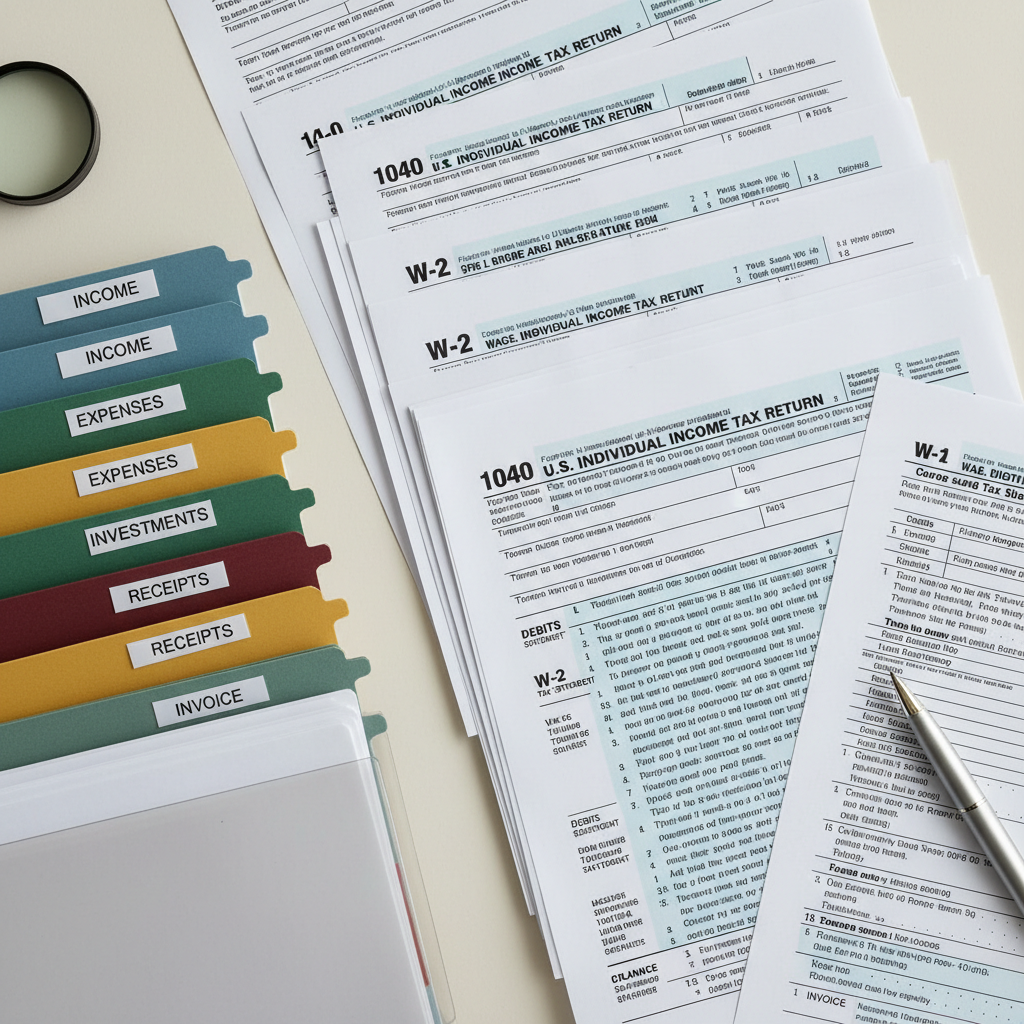
One of the most critical aspects of nonprofit compliance is financial transparency. Accurate and detailed financial records are essential for both regulatory compliance and building trust with your supporters. Implementing robust accounting systems can help manage your finances effectively.
Regular Financial Audits
Conducting regular financial audits helps identify discrepancies and ensures that your financial records align with reporting standards. These audits can also provide insights into areas for improvement and help prevent fraud or misuse of funds.
Consider hiring external auditors to bring an unbiased perspective and assure stakeholders that your financial practices are sound and trustworthy.
Ensure Proper Governance
Effective governance is central to nonprofit compliance. Your board of directors should be well-informed about their responsibilities and the organization's mission. Regular training sessions and workshops can help board members stay engaged and knowledgeable about compliance issues.

Document Policies and Procedures
Having clearly documented policies and procedures reduces ambiguity and ensures that everyone in the organization understands their roles and responsibilities. This includes conflict of interest policies, fundraising guidelines, and data protection measures.
Regularly reviewing and updating these documents can help address new challenges and keep your organization aligned with best practices.
Protect Donor Information
Data protection and privacy are paramount for compliance. Nonprofits must handle donor information with care, ensuring that data is collected, stored, and processed in compliance with privacy laws. Implementing secure data management systems can help protect sensitive information.
Transparency with Donors
Being transparent about how donor information is used builds trust and encourages continued support. Inform donors about data protection measures and give them control over their information.
Regular communication and updates about your organization's activities and financial status can also enhance donor confidence and foster long-term relationships.